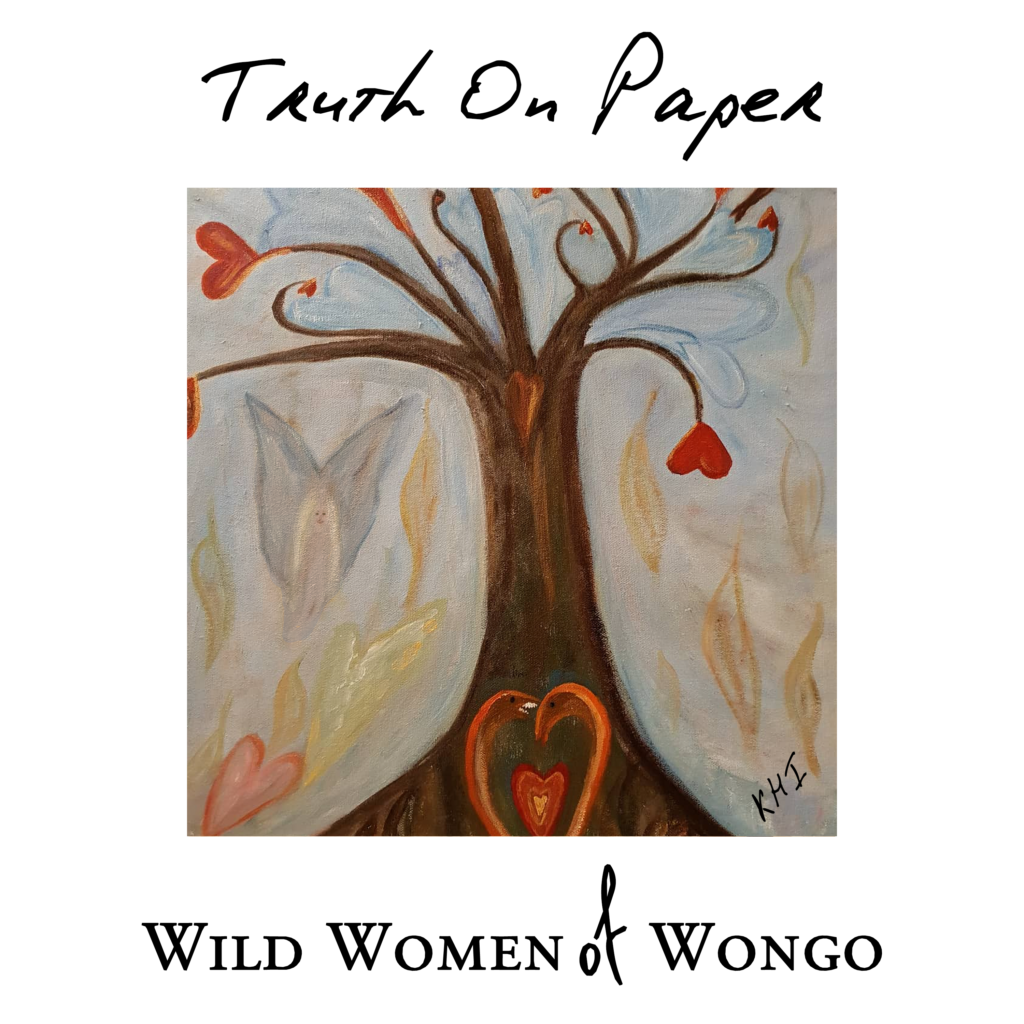
Truth On Paper
[Lyrics & Music – Micke Wennborn]
She wore two faces
One for him one for others
Swore she loved forever
Then she lied so casually
He saw the text glow
On her half-closed screen
And the whole room changed
Like a cut in a dream
She said “Baby, trust me”
With a smile too wide
But the truth was waiting
Right there in her lies
Was his book the end
Or did you end it first
Was it ink on paper
Or your never ending thirst
(Face the truth)
You broke the promise
You broke the chain
Now the truth got written
And it says your name
Was his book the end
Or was that you
She packed up the photos
Left her ring on the shelf
She called it “nothing”
But she knew it herself
Every door she slammed
Every line she crossed
Built a little fire
Until the whole thing was lost
She tried to play the victim
But she lit the fuse
Now every page he wrote
Is the shape of her truth
Was his book the end
Or did you end it first
Was it ink on paper
Or your never ending thirst
You broke the promise
You broke the chain
The truth got written
And it says your name
Was his book the end
Or was that you
He didn’t make the ruin
He just named what was there
A mirror with a spine
And a hard honest stare
So tell me now darling
When the last page burn
Did the book close the door
Or did you make it turn
Was his book the end
Or did you end it first
Was it ink on paper
Or your never ending thirst
You broke the promise
You broke the chain
The truth got written
And it says your name
Was his book the end
Or was that you
Micke Wennborn – programming, keyboards, guitars, backing vocals
Göran Edman – backing vocals
Getter J – leadsång
Arranged, recorded, engineered and produced by Micke Wennborn in Bääsboda Studio
Artwork by KHI
Release Date: May 23 2026
© & ℗ Northern Light Music & Art AB
© Artwork KHI
–
About The Song
Truth On Paper is a song about accountability, memory and the uncomfortable moment when private actions become public stories. At its centre lies a simple but powerful question: What actually ended the relationship?
Was it the book that came afterwards, or the choices that made the book possible in the first place?
The song challenges the idea that telling a story is the same thing as creating it. Throughout the lyrics, the narrator argues that writing did not create the damage. Writing merely documented it. The events already existed. The pages simply gave them a permanent form.
This creates the song’s central tension. Once experiences are written down, they stop being private memories and become part of a shared narrative. The people involved may disagree about interpretation, but they can no longer pretend the story never happened.
The recurring references to pages, books, ink and truth reinforce this theme. The written word becomes both witness and mirror. It does not decide what happened. It reflects what happened.
At its heart, Truth On Paper is not a song about revenge. It is a song about responsibility. About the difference between causing a story and being uncomfortable when somebody finally tells it.
The book did not create the truth.
It merely gave the truth somewhere to live.
Om Låten
Truth On Paper handlar om ansvar, minne och det obekväma ögonblick då privata handlingar blir offentliga berättelser.
I centrum står en enkel men kraftfull fråga:
Vad var det egentligen som avslutade relationen? Var det boken som kom efteråt, eller var det de val som gjorde att boken över huvud taget kunde skrivas?
Låten ifrågasätter idén att det är samma sak att berätta en historia som att skapa den. Genom hela texten argumenterar berättaren för att skrivandet inte skapade skadan. Det dokumenterade den. Händelserna fanns redan där. Orden gav dem bara en permanent form.
Där uppstår också låtens centrala konflikt. När upplevelser väl skrivs ned slutar de vara privata minnen och blir en del av en större berättelse. De inblandade kan fortfarande vara oense om tolkningen, men de kan inte längre låtsas som att historien aldrig ägt rum.
Referenserna till sidor, böcker, bläck och sanning förstärker detta tema. Det skrivna ordet blir både vittne och spegel. Det bestämmer inte vad som hände. Det speglar det som hände.
I grunden handlar Truth On Paper inte om hämnd. Den handlar om ansvar. Om skillnaden mellan att orsaka en berättelse och att bli obekväm när någon till slut berättar den.
Boken skapade inte sanningen.
Den gav sanningen en plats att bo på.
Laulu kohta
“Truth On Paper” räägib vastutusest, mälust ja sellest ebamugavast hetkest, mil kunagised isiklikud sündmused muutuvad avalikuks looks.
Laulu keskmes on lihtne, kuid oluline küsimus:
Mis tegelikult suhte lõpetas? Kas raamat, mis sündis hiljem, või need valikud ja teod, mis tegid selle raamatu kirjutamise üldse võimalikuks?
Laul seab kahtluse alla mõtte, et loo jutustamine ja loo põhjustamine on üks ja sama asi. Jutustaja ei väida, et kirjutamine tekitas valu. Valu oli juba olemas. Kirjutamine andis sellele lihtsalt kuju ja koha, kuhu jääda.
Siit sünnib ka laulu peamine pinge. Kui kogemused kord sõnadesse pannakse, ei kuulu need enam ainult mälule. Neist saab osa suuremast loost. Inimesed võivad jääda eriarvamusele selle üle, mida miski tähendas, kuid nad ei saa enam teeselda, et seda kunagi ei juhtunud.
Viited lehekülgedele, raamatutele, tindile ja tõele korduvad läbi kogu laulu. Kirjutatud sõna muutub ühtaegu nii tunnistajaks kui peegliks. Ta ei otsusta, mis juhtus. Ta peegeldab seda, mis juhtus.
“Truth On Paper” ei ole laul kättemaksust. See on laul vastutusest. Sellest, kui erinevad on loo põhjustamine ja ebamugavus, mis tekib siis, kui keegi otsustab selle loo lõpuks välja rääkida.
Raamat ei loonud tõde.
Ta andis tõele lihtsalt koha, kus elada.