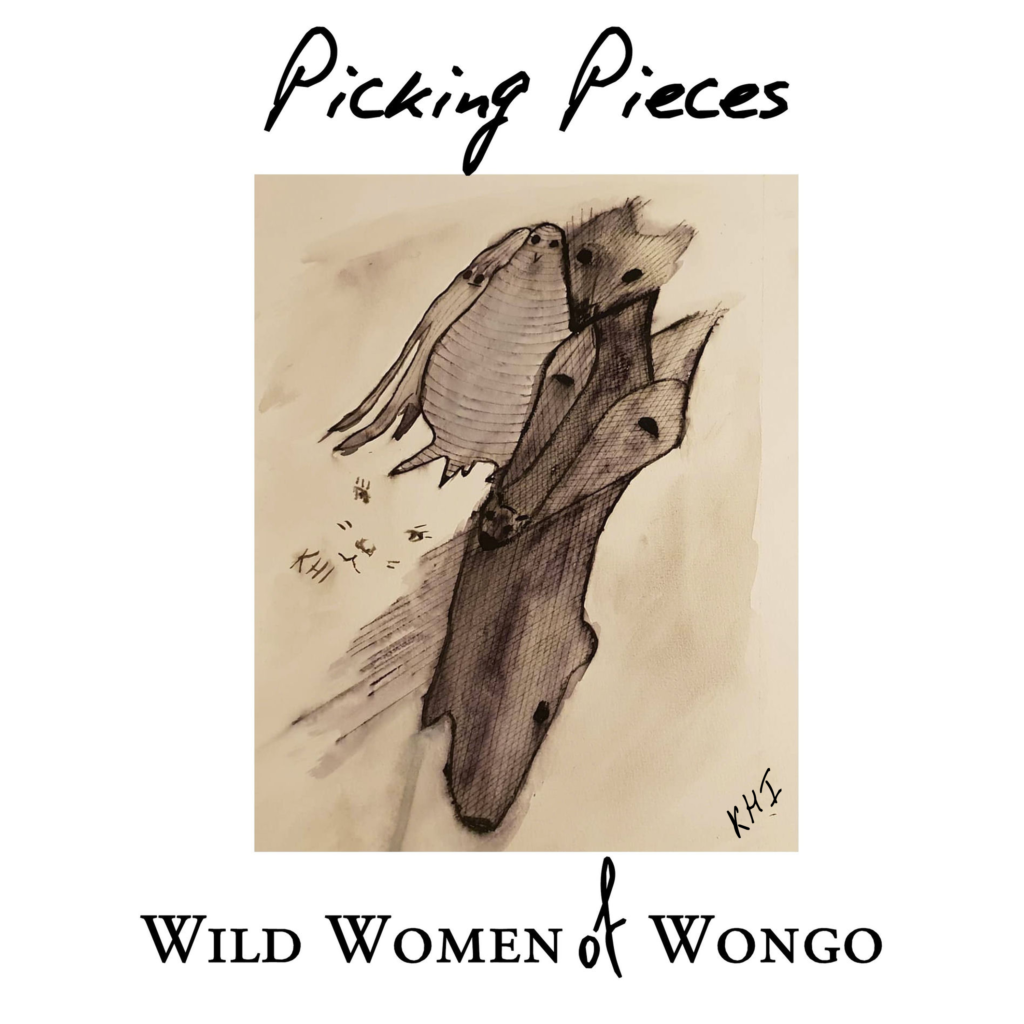
Picking Pieces
[Lyrics & Music – Micke Wennborn]
Katres kiss so hot like fire
Left his heart in broken shire
Promises like shattered glass
Katres love was but a mask
She danced around with wicked grace
Stole his trust left empty space
Her whispers now a fading sound
In her game he was the clown
Katre she played her twisted role
Left him picking pieces of his
Picking pieces of his soul
Her betrayal sharp and swift
Now his heart’s her unwanted gift
Shadows lingered under the hood
Wrapped in darkness – understood
Katres lies wrapped like a bow
Now he sees what she won’t show
In the night he hears her name
Echoes of deceit and shame
Katre she played her twisted role
Left him picking pieces of his
Picking pieces of his soul
Left him picking pieces of his
Picking pieces of his soul
Katre played her twisted role
Left him picking pieces
Picking pieces of his
Picking pieces of his soul
Picking pieces of his
Picking pieces of his soul
Katre you can’t crush his dreams
He’s a phoenix rise in gleams
Katre played her twisted schemes
Left him picking – pieces
Picking pieces of his
Picking pieces of his soul
Left him picking pieces of his
Picking pieces of his soul
–
Bengan Andersson – drums
Micke Wennborn – keyboards, programming, bass, guitars
Lorenzo Fugazza – acoustic guitars
Olya – lead vocals
Arranged, recorded,engineered and produced by Micke Wennborn in Bääsboda Studio
Artwork by KHI
Release Date: May 12 2025
© & ℗ Northern Light Music & Art AB
© Artwork KHI
–
About The Song
Picking Pieces is a song about betrayal, heartbreak and the difficult process of rebuilding yourself after trust has been broken.
At first glance, the lyrics tell a straightforward story. A relationship collapses under the weight of deception, broken promises and disappointment. The narrator finds himself trying to make sense of what happened while carrying the emotional cost of someone else’s choices.
Yet beneath the anger and frustration lies a different theme.
The song is not really about the person who caused the damage. It is about what happens afterwards. The long process of gathering the pieces, understanding what was lost and learning how to move forward without allowing the experience to define you forever.
Throughout the lyrics, memories linger as echoes, shadows and unanswered questions. But despite the pain, the story refuses to end in defeat.
The recurring image of “picking pieces of his soul” represents the aftermath of emotional loss, while the closing phoenix imagery points in the opposite direction: recovery, resilience and the ability to rebuild.
At its heart, Picking Pieces is not a song about being broken. It is a song about surviving what broke you.
Om Låten
Picking Pieces är en låt om svek, hjärtesorg och den svåra processen att bygga upp sig själv efter att tilliten gått sönder.
Vid första anblicken berättar texten en ganska tydlig historia. En relation kollapsar under tyngden av lögner, brutna löften och besvikelser. Berättaren försöker förstå vad som hände samtidigt som han tvingas bära konsekvenserna av någon annans val.
Men under ilskan och frustrationen finns ett annat tema.
Låten handlar egentligen inte om personen som orsakade skadan. Den handlar om det som kommer efteråt. Om att samla ihop bitarna, förstå vad som gick förlorat och hitta ett sätt att gå vidare utan att låta upplevelsen definiera resten av livet.
Genom hela texten återkommer minnen som ekon, skuggor och obesvarade frågor. Trots det slutar berättelsen inte i nederlag.
Bilden av att plocka ihop bitarna av sin själ beskriver konsekvenserna av en känslomässig förlust, medan den avslutande fågel Fenix-symboliken pekar åt motsatt håll: återhämtning, motståndskraft och förmågan att resa sig igen.
I grunden är Picking Pieces inte en låt om att bli krossad.
Det är en låt om att överleva det som försökte krossa dig.
Laulu kohta
“Picking Pieces” räägib reetmisest, südamevalust ja raskest teekonnast iseenda taas ülesehitamiseni pärast seda, kui usaldus on purunenud.
Esmapilgul jutustab laul üsna selge loo. Suhe variseb kokku valede, murtud lubaduste ja pettumuste raskuse all. Jutustaja püüab mõista, mis juhtus, samal ajal kandes emotsionaalset hinda otsuste eest, mida ta ise ei teinud.
Kuid viha ja pettumuse all peitub teine teema.
See laul ei räägi tegelikult inimesest, kes valu põhjustas. See räägib sellest, mis tuleb pärast. Pikkadest päevadest, mil tuleb kokku korjata killud, mõista, mis kadus, ja õppida edasi liikuma ilma, et see kogemus määraks kogu ülejäänud elu.
Läbi kogu laulu ilmuvad mälestused kajade, varjude ja vastuseta küsimustena. Ometi ei lõpe see lugu kaotusega.
Kujund hinge tükkide kokku korjamisest kirjeldab emotsionaalse kaotuse tagajärgi. Laulu lõpus ilmuv fööniksi kujund räägib aga millestki vastupidisest – taastumisest, vastupidavusest ja võimest uuesti tõusta.
Selle laulu keskmes ei ole purunemine.
Selle keskmes on ellujäämine.
Õppimine elama edasi pärast seda, mis sind murda püüdis.